


A $2.5 trillion industry, fashion is the 2nd largest user of water and 2nd highest polluter, contributing 10% of carbon emissions. Globally, one in six people work in apparel and women represent 80% of the supply chain. While this scale and global integration propel fashion to a top rank on any impact index, it is its nature of constant reinvention that also becomes its opportunity for rapid reevaluation and transformation.
The Fair Fashion Center’s (FFC) work combines economic value creation with environmental stewardship, social inclusion, and sound ethics. The FFC’s efforts are built upon the recognition that systemic change in the fashion industry requires an approach that is aligned to the industry’s disciplines and reconciled to the bottom line.
The Center aims to move company initiatives beyond CSR, and empower organizations to embed sustainable business practices by providing solutions across business functions. The research has been prioritized by the industry and is guided by public sector organizations like the United Nations.


Continue Exploring
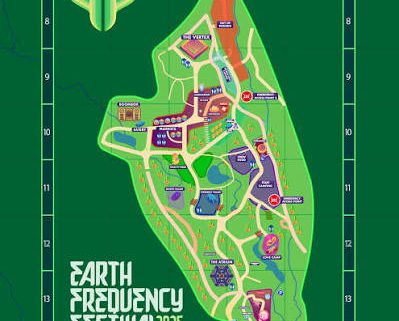 Australia
Earth Frequency ’26 Survival Guide
Woodfordia has permanent amenities, but Earth Frequency remains a four-day outdoor operation. Plan arrival, weather, fire, power, safety, access and Tuesday departure.
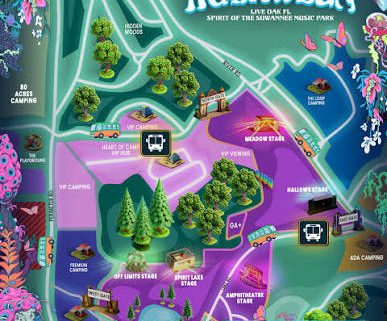 United States
Suwannee Hulaween ’26 Survival Guide
The useful Hulaween checklist is a set of systems: arrival, sleep, weather, water, food, navigation, access, care and departure.
 Australia
Earth Frequency ’26 Inspo Guide
Frequency Village, Luminarium, performance and The Crib give Earth Frequency a second timetable. Here is how to protect time for it before the music schedule takes over.