


The promise
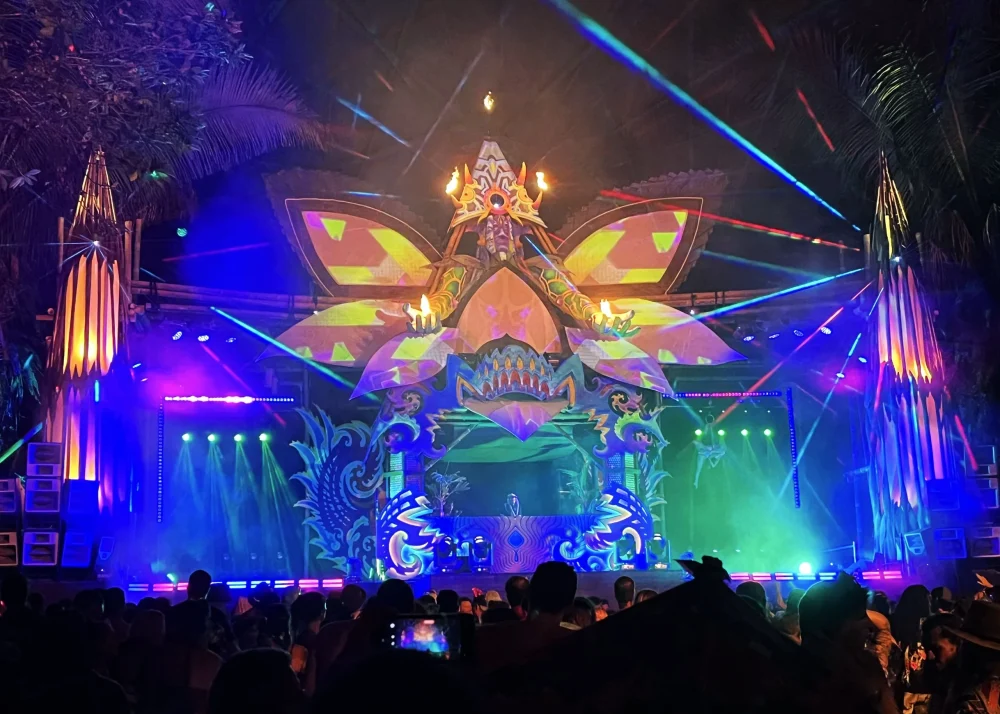
Envision is one of those festivals that can look unreal from the outside: jungle, beach, bodies in motion, firelight, handmade markets, yoga platforms, late-night sound systems, and the promise that a week in Costa Rica might return you to yourself. The promise is powerful. That tension gives Envision more editorial weight than a tropical hype piece. Envision’s deeper story is the collision between aspiration and infrastructure.
The festival sells transformation, but transformation has plumbing. It has water stations, sanitation, crowd caps, medical systems, local relationships, food pricing, security, labor, lodging tiers, and the question of whether a temporary utopia can stay honest when luxury and hardship share the same map. That is what makes it worth close attention. Festivals that build worlds have to be more than aesthetics. A real festival world has values, rules, contradictions, and consequences.
Envision gives us all of that in a visually irresistible package. The best version of Envision is extraordinary. It understands that music is only one part of festival culture. Daytime programming shapes the experience as much as the night. The market, clothing, teachers, ceremonies, excursions, family spaces, art, food, and chance encounters create the feeling that you have stepped into a complete temporary society rather than a concert with camping. The jungle setting intensifies everything. At Coachella, style often photographs as status. At Envision, style has to live in heat, humidity, sweat, mud, beach air, and long days. That can make the fashion more interesting: not less beautiful, but less detached from reality. Jewelry, wraps, swim layers, breathable textiles, body adornment, practical bags, and handmade pieces all become part of the survival language. The music plays the same double role.

A melodic beach set can feel luxurious; a late-night bass set can feel like a release valve; a movement class can feel like a reset; a ceremony can feel meaningful or over-scripted depending on who is holding it and how it is framed. Envision’s whole identity lives in those in-betweens. The friction cannot be edited out. The 2026 research points toward a festival still carrying the shadow of recent operational criticism and public trust repair. That does not dismiss Envision. Beauty cannot stand in for proof. A festival can be visually stunning and still have to earn confidence. That is the honest way to assess festivals built around transformation. The desire to gather, dance, learn, dress up, heal, flirt with mystery and step outside normal life remains powerful.
Where the promise meets the ground
The systems beneath that dream still have to protect the people who buy into it. Envision’s strongest argument is that it refuses to be only a show. Its weakest point is that the more a festival promises, the more it has to deliver. A simple concert can disappoint musically and still be over by midnight. A week-long jungle micro-society has to care for bodies, expectations, local impact, and meaning. Envision is beautiful because it is complicated. The complication is not a stain. That tension sits at the centre. The jungle glamour, the handmade market, the sunrise movement, the bass, the workshops, the premium enclaves, the body strain, and the trust question all belong to the same feature. Envision works best when the reader can want the beauty and respect the work required to hold it.
That is the difference between festival romance and festival literacy. Follow Envision’s official updates for current travel, lodging, tickets, and programming information.
The most interesting feature thread is trust. Envision is the kind of festival that asks people to trust a lot: the organizers, the site, the weather, the health systems, the teachers, the food, the travel plan, the ecological language, and the premise that temporary transformation can be worth the cost. When that trust is strong, the festival can feel extraordinary. When it is strained, every inconvenience becomes symbolic.
Why the story still holds
The programming matters only when its parts work together. Yoga without care is content. Ceremony without context is theatre. Sustainability without operational follow-through is branding. But when those pieces are held with real skill, a festival like Envision can create something rare: a place where music, body, land, clothing, ritual, and social imagination reinforce each other.
Envision also reveals how modern festival desire has changed. Artists are only one part of the draw. They want a version of themselves reflected back: healthier, freer, more beautiful, more connected, more alive. That desire is not silly. The desire is human. The desire deserves respect, but desire cannot replace evidence.
Envision makes its visual culture impossible to separate from the ethics. Bamboo forms, beachwear, ceremonial accessories, swim layers, body glitter, handmade jewelry, and retreat styling all carry meaning. Some of it can be beautiful; some of it can drift into costume without context. The tension only becomes legible when both truths remain in view, without flattening the festival into either fantasy or critique.
Envision earns attention because it is not perfect. It is interesting because it tries to build a temporary world where pleasure, healing, commerce, culture, travel, and ecology all sit on top of one another in the same humid week. Follow the official Envision Festival updates for current tickets, lodging, travel, programming, and FAQ details.
Continue Exploring
 Australia
Earth Frequency ’26 Survival Guide
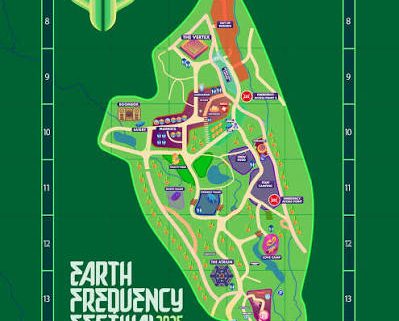
Woodfordia has permanent amenities, but Earth Frequency remains a four-day outdoor operation. Plan arrival, weather, fire, power, safety, access and Tuesday departure.
Australia
Earth Frequency ’26 Survival Guide
Woodfordia has permanent amenities, but Earth Frequency remains a four-day outdoor operation. Plan arrival, weather, fire, power, safety, access and Tuesday departure.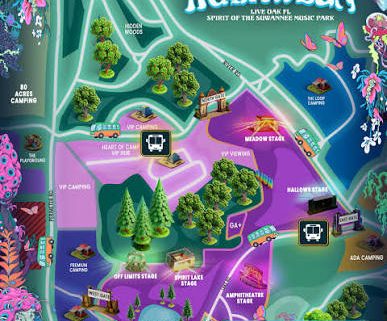 United States
Suwannee Hulaween ’26 Survival Guide
The useful Hulaween checklist is a set of systems: arrival, sleep, weather, water, food, navigation, access, care and departure.
United States
Suwannee Hulaween ’26 Survival Guide
The useful Hulaween checklist is a set of systems: arrival, sleep, weather, water, food, navigation, access, care and departure.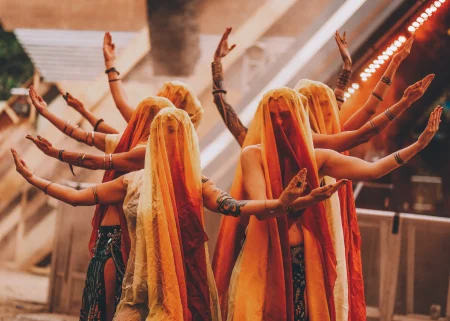 Australia
Earth Frequency ’26 Inspo Guide
Frequency Village, Luminarium, performance and The Crib give Earth Frequency a second timetable. Here is how to protect time for it before the music schedule takes over.
Australia
Earth Frequency ’26 Inspo Guide
Frequency Village, Luminarium, performance and The Crib give Earth Frequency a second timetable. Here is how to protect time for it before the music schedule takes over.