


Read the lineup by feel
The Rabbits Eat Lettuce lineup is best read as a route system, not a hierarchy. A quick poster scan gives names; planning starts with the kind of dancefloor you want to be inside: playful bass, loose house, psytrance tunnel, live-band heat, late-night weirdness, or small-stage discovery. REL’s own music framing is broad enough to support that read. It names house, techno, bass music, psychedelic trance, live funk bands, solo acoustic artists, hip hop, and downtempo as part of the wider world.
That mix is exactly why the lineup deserves attention. REL refuses a tidy genre identity. It behaves like a bush party with neighbourhoods. One lane gives you fast-moving electronic music. A live route brings instruments and daytime looseness; the psychedelic route brings repetition and long-night focus. Smaller names create the chance to leave with a new favourite instead of merely confirming familiar taste.
Opiuo is the first stop for the playful, funk-heavy route. His lane is funky, elastic, bass-driven, and playful without losing dancefloor force. He sounds good on paper for REL because the festival itself already has a cartoonish name, a costume-friendly culture, and a taste for music that can be clever without standing still. Opiuo gives the Sound Guide a clear door for readers who like The Funk Hunters, The Floozies, glitch-funk, brass-sample swagger, and sets that make people dance with their shoulders as much as their feet.


Justin Martin is the direct entry point for house with personality. Justin Martin’s appeal lies in the bounce, warmth, humour and low-end play in his sound, a natural fit for a festival that does not want the dancefloor to feel stern. He is a good recommendation for readers who want bounce, smiles, and a late-afternoon-to-night bridge before the weekend gets stranger.
Build a listening route
If you want psychedelic depth, Grouch and Triforce point in different directions. Grouch brings dubby, psy-leaning electronic texture with enough weight to feel grounded. Triforce gives the darker progressive and techno-psy lane more shape. REL becomes recognizably Australian in festival terms: club music meets the long outdoor tradition where hypnotic music, dust, lights, camping, and altered time start to blend.
Tijuana Cartel is one of the clearest live-band highlights. Live world-electronic bands can sometimes become background colour at electronic festivals, but Tijuana Cartel’s percussion, guitar, brass, and rhythm-forward identity give the weekend another body language. This is the lane for people who want a set to feel sweaty, human, and less gridlocked to the laptop.
The undercard is where REL needs curiosity. Clitoverse brings collective presence and a cultural signal that genre labels cannot capture. OLIIV gives the house and boutique-selector route a smaller-room charge. Paige Julia and ASHEZ deserve further listening for anyone who wants to get below the top line. Knowing every name is irrelevant. Build a weekend with enough contrast that the body gets different kinds of release.
| If you want… | Start listening for… | Possible REL entry points |
|---|---|---|
| Funk and playful bass | Glitch, bounce, electro-funk, sample colour | Opiuo |
| House with personality | Warm rhythm, swing, looseness | Justin Martin, OLIIV |
| Psychedelic tunnel | Progressive, trance, dubby repetition | Grouch, Triforce |
| Live-band lift | Percussion, brass, guitars, festival sweat | Tijuana Cartel |
| Small-font discovery | Local selectors, collectives, side-stage moments | Clitoverse, Paige Julia, ASHEZ |
One caution is to keep the language human. Psytrance can stay physical instead of academic. House lands better with one clear body-feel than six adjectives. Bass is not punishment; it is bounce, pressure, texture, play, or release depending on the set. REL’s range is easy to map in plain language: this set is for bounce, this one is for tunnel vision, this one is for live sweat, this one is for oddball discovery, this one is for the friend who says they do not know any of the names but wants to dance anyway.
Let the setting change the plan
That keeps the route open instead of superior. REL’s audience will include serious music heads and people who came for the camp, costumes, river, and friends. Both groups can move through the lineup by appetite instead of expertise, with enough room for surprise and accidental favourites.
The listening path is simple: pick one guaranteed body-mover, one psychedelic night set, one live act, one house route, and one name you do not already know. REL is too interesting to treat as a top-line checklist.
Use the official Rabbits Eat Lettuce music page as the factual base, then build the route by body state. Pick one heavy late-night lane, one playful daytime set, one local or discovery name, one sunrise or reset option, and one set where the crowd response matters more than the poster font size.
The REL sound works best when it is treated as part of camp life. A set after a long walk, a dusty afternoon, a food run, or a late-night costume drift lands differently than the same music in a city room. That rougher context is part of the charm, not a flaw to edit out.
The strongest picks lean toward sound with movement, colour, swing or weirdness. REL gives those tastes room because the festival is not locked to one polite identity. Bass, psy, house, live oddities, and smaller discoveries can all belong when the camp is willing to move.
Continue Exploring
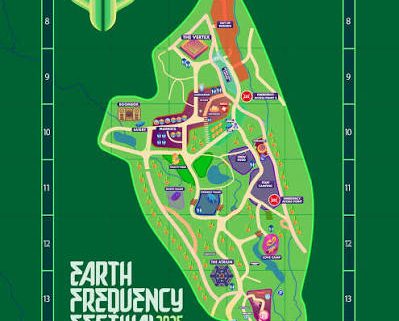 Australia
Earth Frequency ’26 Survival Guide
Woodfordia has permanent amenities, but Earth Frequency remains a four-day outdoor operation. Plan arrival, weather, fire, power, safety, access and Tuesday departure.
Australia
Earth Frequency ’26 Survival Guide
Woodfordia has permanent amenities, but Earth Frequency remains a four-day outdoor operation. Plan arrival, weather, fire, power, safety, access and Tuesday departure.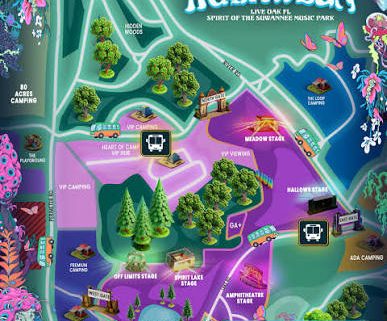 United States
Suwannee Hulaween ’26 Survival Guide
The useful Hulaween checklist is a set of systems: arrival, sleep, weather, water, food, navigation, access, care and departure.
United States
Suwannee Hulaween ’26 Survival Guide
The useful Hulaween checklist is a set of systems: arrival, sleep, weather, water, food, navigation, access, care and departure. Australia
Earth Frequency ’26 Inspo Guide
Frequency Village, Luminarium, performance and The Crib give Earth Frequency a second timetable. Here is how to protect time for it before the music schedule takes over.
Australia
Earth Frequency ’26 Inspo Guide
Frequency Village, Luminarium, performance and The Crib give Earth Frequency a second timetable. Here is how to protect time for it before the music schedule takes over.