


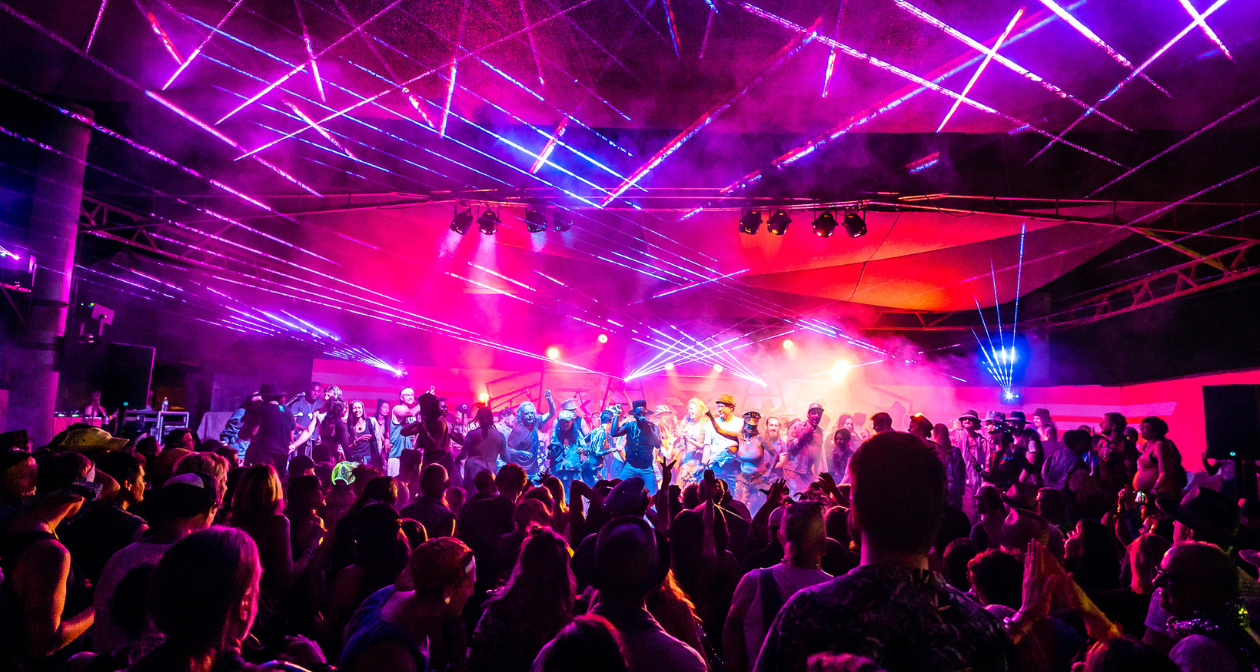
At Joshua Tree, the person in the remarkable outfit might have made it that afternoon. The unfamiliar instrument might be a sitar sitting comfortably inside an electronic set. And the coffee has a backstory: founder Barnett English first came to this campground with his travelling espresso café, JavaGogo, to serve a didgeridoo festival. Some coffee runs lead to rather bigger commitments than others.
The 21st Fall Joshua Tree Music Festival takes place October 8–11, 2026, at Joshua Tree Lake RV & Campground in California’s Mojave Desert. It brings live bands and electronic artists into a camping weekend of art, markets, movement and creative play. The appeal is how easily those interests can rub up against each other. You can arrive for a band and leave talking about a workshop, a painter or somebody you met over tea.
A coffee stop that became a festival
English’s first visit was in 2002. The festival’s origin story includes a local birthday party, people dancing around a bonfire and the feeling that he had found somewhere worth staying. The first JTMF followed in April 2003. Today, the festival gathers twice a year, in May and October, while retaining the personal scale of that beginning.


That history helps explain the mix. This is a gathering built around people doing things together, rather than an enormous production with a few activities attached. A performance can draw you close; an art space can keep you there; camp gives the conversation somewhere to continue. The point is not that everybody has the same experience. It is that several different pleasures share one address.
That address is 2601 Sunfair Road, at a private campground outside Joshua Tree National Park. The desert supplies the setting, but the festival’s character comes from what people build within it: music spaces, shade, artwork and a temporary neighbourhood with its own habits.
The lineup rewards a little curiosity
The Fall music bill makes room for voices and instruments with very different histories. Dallas collective Cure for Paranoia brings alternative hip-hop; Southern Avenue carries Memphis blues, gospel and soul into the desert. Their family connection is literal: singer Tierinii Jackson performs with guitarist Ori Naftaly and her sisters Tikyra and Ava Jackson.
Elias Alexander offers another kind of encounter. Bagpipes, fiddle and live looping meet electronic production, bringing folk melodies to an electronic dance floor. Ácido Pantera brings a different approach from Bogotá, combining Colombian rhythmic traditions with synthesizers and drum machines. These are useful acts to compare because both make the meeting between older musical forms and new technology feel like a creative opportunity.
The festival’s main-stage arrangement alternates acts, keeping the live music moving without making every band a competing appointment. Boogaloo, the Cafe Stage and other performance spaces add their own possibilities around that centre. The Sound Guide follows the artists in more detail; the useful first move is simply to let a name you do not recognise become part of your reason for going.
Join the fun
JTMF advertises more than 100 playshops, and the word suits the mood. This is learning with room to laugh, make a mess or discover an ability you have not exercised since childhood. Participation need not become another productivity project. A festival is a perfectly reasonable place to try something just because it looks enjoyable.
At Positive Vibration Station, Lux Gypsum’s Play the Part uses costumes, theatre games and clowning to experiment with different personas. Acro Playground, led by Madi White and Alex Pugh, introduces the roles of basing, flying and spotting, with no partner needed. One session gives you a different character to inhabit; the other changes your relationship with gravity.
The Queer Salon puts creative expression in a rainbow-framed lakeside space. Stella Ru’s No-Sew Tree Couture takes trees and roots as a wearable-art brief, while curator T. Hammidi’s Desert Shade Fashion Show invites festivalgoers onto the runway. Fashion here can be something you make and share, not only something you pack. The Inspiration Guide explores those people and activities without trying to turn the whole weekend into an itinerary.
Find another pace without leaving the festival
The Sanctuary has its own story of collective making. More than 100 community members helped create the structure, supported through a Mil-Tree grant. Its program brings poetry, conversation and facilitated gatherings into an environment designed for lingering rather than rushing past.
Nearby in the wider program, Astro Mojo Dojo treats tea as an occasion. The sober-friendly lounge has named hosts and musical sessions, giving a quieter evening its own attractions. A cup, a conversation and some close listening can be a proper part of the night, rather than evidence that you have run out of enthusiasm.
These spaces give a mixed-interest group more room to enjoy the same festival. One person can chase a beat while another follows an idea, then meet again with something new to compare. Shared weekends are often more interesting when everybody brings back a slightly different story.
Wear a discovery
The market is another place where the festival’s creative character becomes tangible. Wish Wear works from a Joshua Tree studio and brings a circus connection into its clothes: founders Zircon and Wish are aerial artists. Lil Jax, made by Asha Tobing in Santa Cruz, reconstructs salvaged garments and remnant textiles into new pieces, including expressive denim bells.
Those are two different invitations to dress up. One might begin with ornate fabric and a little theatre; the other with denim that shows the decisions involved in remaking it. You do not need a complete new outfit to take the idea somewhere. An unexpected layer can change the clothes you already love.
The Market Guide introduces the designers, artists and their work. Food adds a different pleasure nearby: the roster includes hand-tossed pizza from Popping Off Pies, Mexican-Asian fusion from Fuego Me Up and JavaGogo coffee. A browsing lap can easily become lunch, which is a sensible reason to give the market more than the minutes between two sets.
Art worth returning to
The visual-arts program places a gallery in the Music Bowl and live work around the grounds. It makes art part of the movement between performances rather than something saved for a separate excursion. You can notice a piece on the way somewhere and find yourself returning because it has changed—or because you have had longer to think about it.
Some work made during the weekend enters the festival’s Sunday-closing art auction, supporting artists and the JTMF Art Program. That gives an encounter another possible ending: the image you followed across the festival could become something you live with afterwards. The pleasure begins well before any decision to buy.
Families also have a creative centre of their own. Kidsville offers activities such as fairy houses, jewellery-making and DIY stickers. A family camping area stays quiet after dark. Younger visitors get things to anticipate beyond the adults’ favourite bands, while the all-ages atmosphere makes room for different generations to enjoy the same gathering.
Choose your version of the campout
Festival tickets include walk-in tent camping; parking and vehicle-camping passes are separate. Four-day admission gives you the full arc, while single-day tickets include camping for that night. Wednesday early entry is an additional option. RV, glamping and offsite accommodation information is available through the festival for people planning a different kind of base.
Free filtered water and showers make the campground more comfortable. A proper warm layer and firmly secured shade make it more yours. The lake is for wildlife rather than swimming. Our Survival Guide covers the rest of your desert packing and travel plans.
JTMF suits people who like a festival with several entrances: through music, making, fashion, conversation or simply being outdoors with people worth meeting. Arrive with an artist you want to hear and an idea of where you will sleep. Leave some room for the part that cannot be selected in advance: the discovery that makes this particular weekend yours.
Explore the October program and official tickets, and follow Sparked Magazine for more festival discoveries.
More festival coverage from Sparked Magazine
Festival guides, sound guides, market guides and reported features from Sparked Magazine.


Continue Exploring
 Australia
Earth Frequency ’26 Survival Guide
Woodfordia has permanent amenities, but Earth Frequency remains a four-day outdoor operation. Plan arrival, weather, fire, power, safety, access and Tuesday departure.
Australia
Earth Frequency ’26 Survival Guide
Woodfordia has permanent amenities, but Earth Frequency remains a four-day outdoor operation. Plan arrival, weather, fire, power, safety, access and Tuesday departure. United States
Suwannee Hulaween ’26 Survival Guide
The useful Hulaween checklist is a set of systems: arrival, sleep, weather, water, food, navigation, access, care and departure.
United States
Suwannee Hulaween ’26 Survival Guide
The useful Hulaween checklist is a set of systems: arrival, sleep, weather, water, food, navigation, access, care and departure.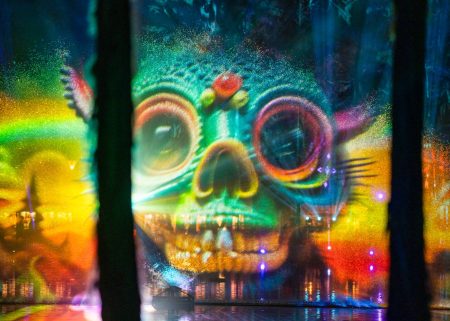 United States
Suwannee Hulaween ’26 Inspo Guide
Hulaween’s art and participatory program work best when readers reserve time for them before the schedule turns every path into a shortcut.
United States
Suwannee Hulaween ’26 Inspo Guide
Hulaween’s art and participatory program work best when readers reserve time for them before the schedule turns every path into a shortcut.